top of page

Mental Health Matters

Loading...

Mental Health Matters

September 14, 2026

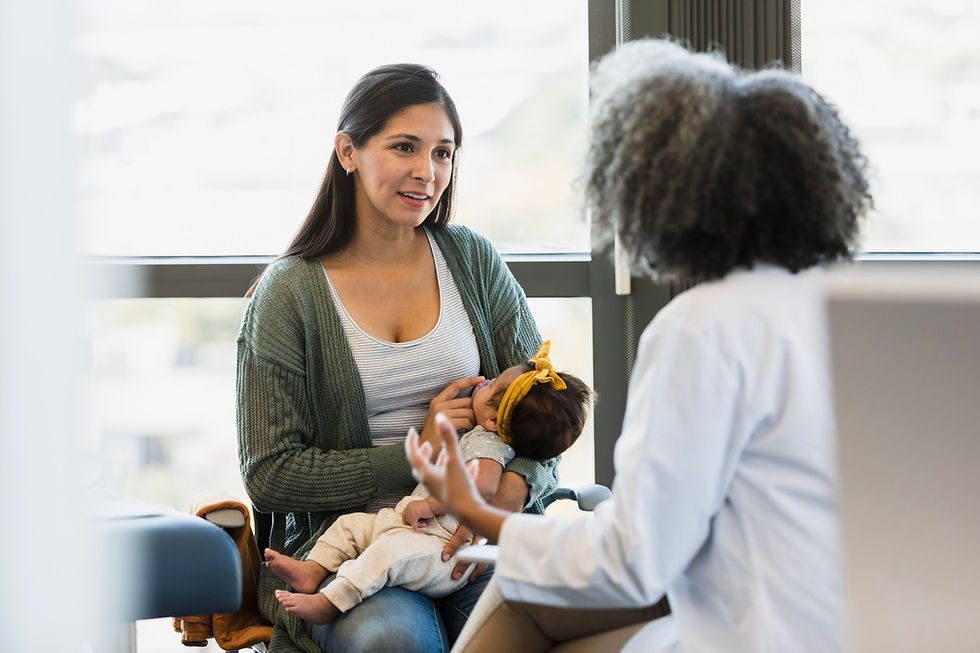
September is Suicide Prevention awareness month.  Many changes occur during and after pregnancy to women’s bodies, minds, and lifestyles. Some changes are normal and expected as your body changes and you adjust to life with a new baby.


Perinatal depression/anxiety affects approximately 1 in 5 pregnant women and partners. It is important to know what to expect and when to reach out for mental and emotional help during these times. Symptoms can start anytime during the perinatal period and they may differ for each person and potentially worsen in the postpartum period.  They might include the following:


•          Feelings of anger, irritability and/or rage

•          Lack of interest in the baby

•          Disturbances of sleep and appetite

•          Crying and sadness

•          Feelings of guilt, shame or hopelessness

•          Loss of interest, joy or pleasure in things you used to enjoy

•          Possible thoughts of harming the baby or yourself


Iberia Medical Center’s Obstetrics and Behavioral Health Services teams work together to maintain the mental health of moms during such a vulnerable time.


Please reach out to the National Maternal Health Hotline (For emotional support and resources, call or text 1-833-TLC-MAMA (1-833-852-6262) 24/7), your provider, or our Behavioral Health Services team if you ever have any of these signs and symptoms. You are not alone. We are here to help.


Behavioral Health Services at Iberia Medical Center – 337-376-5713


Obstetrics Clinic at Iberia Medical Center – 337-256-8779


Need a provider? https://www.iberiamedicalcenter.com/find-a-provider 


November is National Prematurity Awareness Month

Nov 12, 2024
1 min read

In the United States, preterm birth affects about 1 of every 10 infants born.  A developing baby goes through important growth throughout pregnancy─ including in the final months and weeks.


Preterm labor occurs when regular contractions result in the opening of your cervix after week 20 and before week 37 or pregnancy. Babies who are born prematurely may have an increased chance of experiencing breathing problems, feeding difficulties, cerebral palsy, developmental delay, and vision and hearing problems.


Many times, we do not know what causes women to deliver their babies early. Several factors may increase the likelihood that a woman could deliver early such as age, stress levels, women with blood pressure conditions during pregnancy and more. Preventing preterm birth remains a challenge because causes may not always be well understood. However, pregnant women can take important steps to help reduce their risk of preterm birth and improve their general health:


·         Quit smoking.

·         Avoid alcohol and drugs.

·         Get prenatal care early and throughout pregnancy.

·         Talk with your doctor if you had a previous preterm birth.


bottom of page